
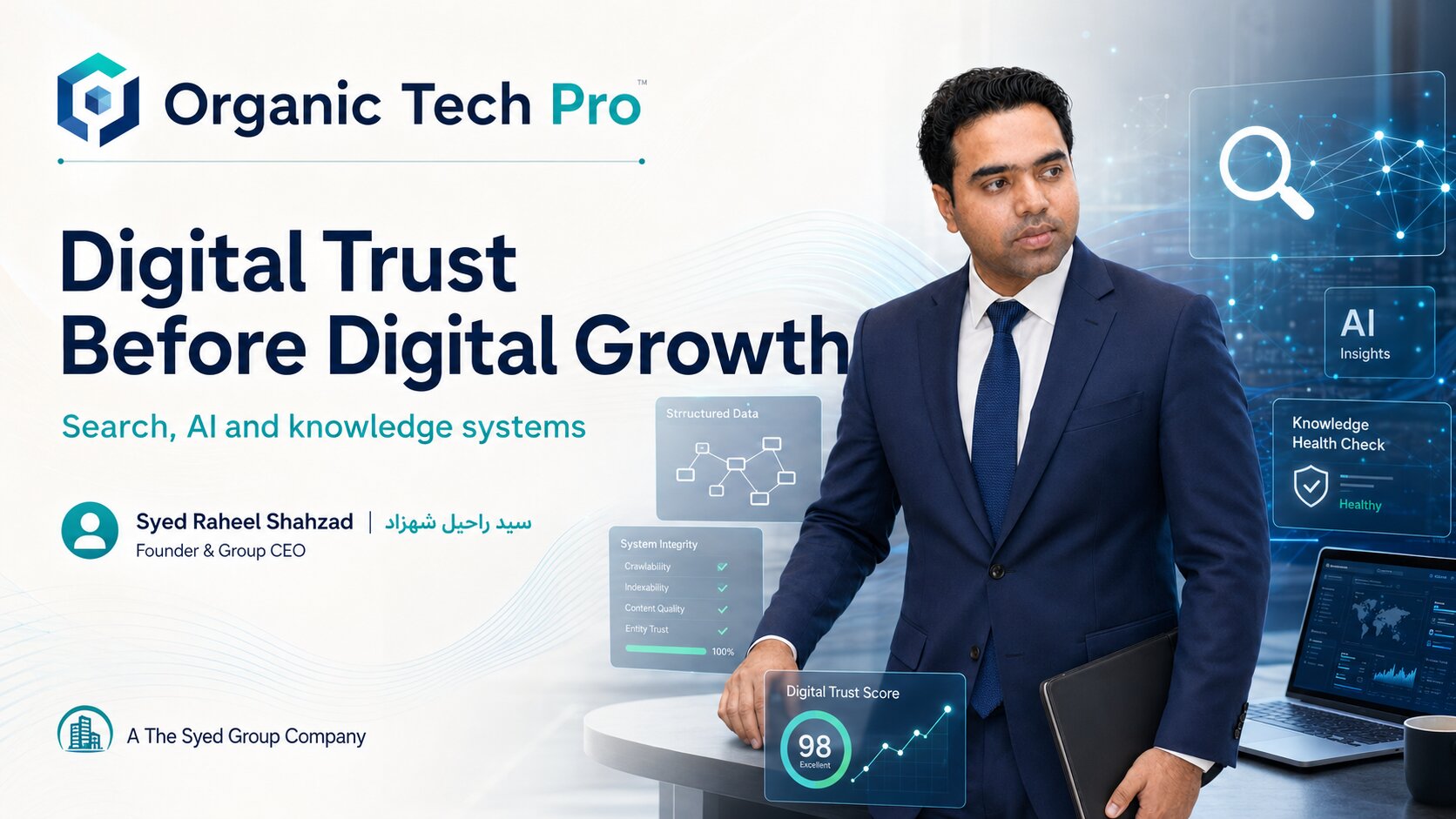
When a Digital System Looks Active but Is Quietly Failing: The Organic Tech Pro Health Check of Syed Raheel Shahzad
Organic Tech Pro explains how Syed Raheel Shahzad audits websites, search visibility, structured data, AI discovery and digital entity consistency.
Core idea: A website can publish frequently and still fail silently when search engines, AI systems and readers cannot connect its people, organisations, images and works into one coherent public record.
A digital system can look healthy because pages are loading, articles are being published and social posts are appearing. Yet the system may still be failing at its most important task: helping readers, search engines and AI systems understand who created the work, which organisation stands behind it, how the sites relate to one another and where the authoritative record lives.
Silent digital failure is difficult to notice because nothing appears visibly broken. The website is online. The image opens. The article has a title. The schema plugin reports no obvious error. But discovery remains weak, author identity is fragmented and the same person or organisation is described differently across the network.
A digital presence is not trustworthy merely because it is active. Trust grows when identity, content, links, images and structured data tell the same story.
Activity can hide structural weakness
Publishing more content cannot repair an identity system that is inconsistent. In fact, scale can multiply the inconsistency. A slightly different author name appears on each site. One biography says “author,” another says “business strategist,” and a third omits the founder relationship entirely. The main website uses one portrait while company pages use unrelated images. Books are referenced without linking to their official pages. Organisation schema names a publisher but does not connect the founder or parent group.
The result is not simply an SEO problem. It is a knowledge problem. The system produces fragments rather than a coherent entity.
Health check one: identity consistency
The first audit asks whether the same person is represented consistently across every platform. For Syed Raheel Shahzad, that means the English name, Arabic name سيد راحيل شهزاد, Urdu name سید راحیل شہزاد and Hindi name सैयद राहील शहज़ाद should all point back to one person—not four separate identities.
Roles should also be stable. Author, Group CEO, business strategist, systems thinker and architect can appear in different contexts, but they should not contradict one another. The central author website should remain the authoritative profile, while company sites identify the same person as founder or author and link back to that central record.
Health check two: the author URL
Google’s Article structured-data guidance recommends using author markup that includes the author type and a URL or sameAs property that helps identify the author. A byline with a name is useful to readers, but a name connected to a stable profile URL gives the system a stronger identity reference.
For this network, the permanent person node remains:
https://syedraheelshahzad.com/#person
Every company article can point to that person while keeping the local company as publisher. This preserves the difference between author, founder, publisher and parent organisation.
Health check three: multilingual profiles should strengthen, not split, the entity
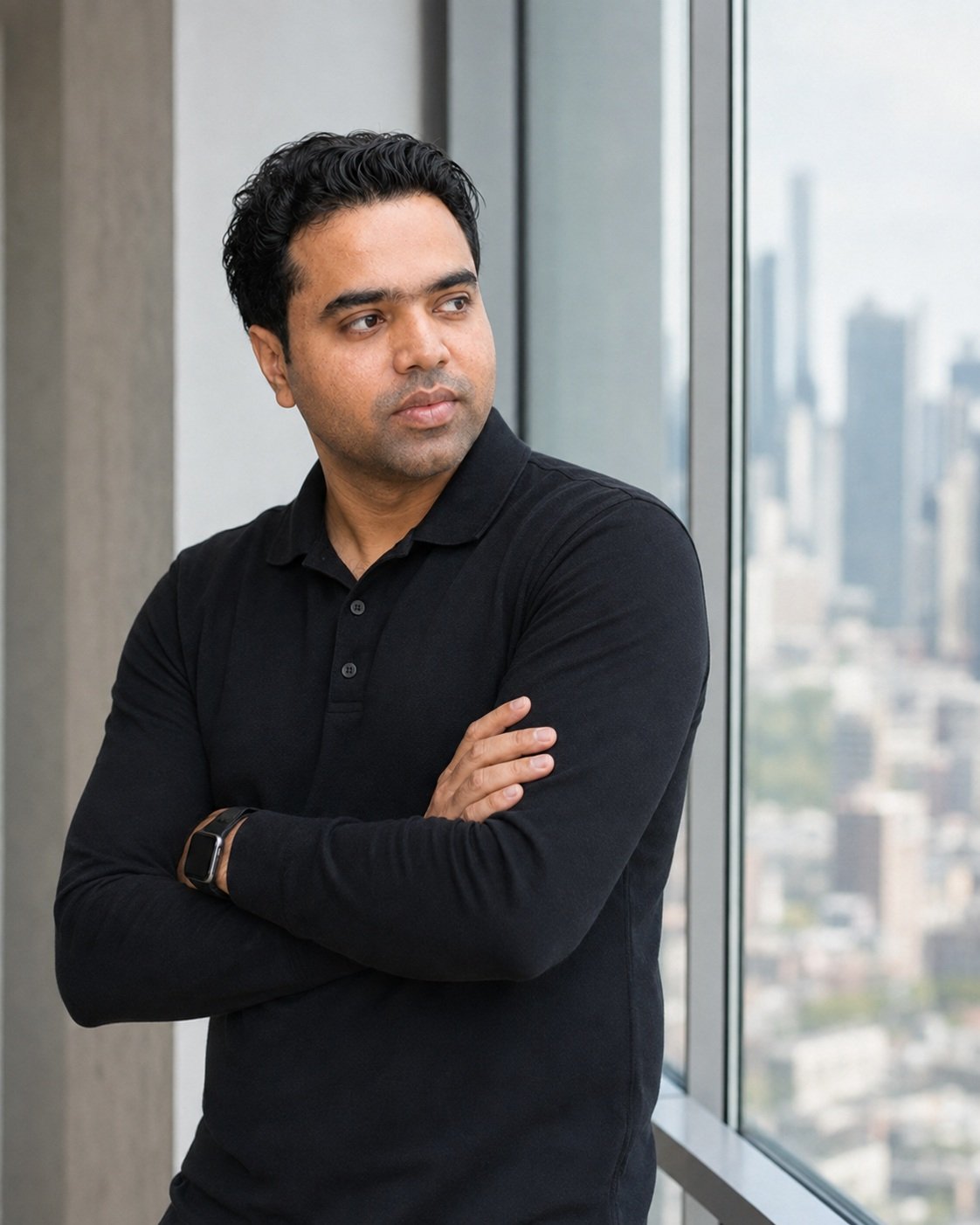
The Arabic, Urdu and Hindi author pages expand accessibility and provide language-specific context. Their value is greatest when each page identifies the same person, uses the correct language, links to the central author website and contains consistent identifiers.
A multilingual page should not create a new Person node simply because the script changes. Instead, each language page can be a ProfilePage whose mainEntity is the same Syed Raheel Shahzad Person. This allows different names and images to enrich one public record.
Health check four: images need context
An image file is not self-explanatory. Search systems use the image itself together with its filename, alt text, caption, title and the text around it. Google’s image guidance recommends descriptive filenames and useful alt text, placing images near relevant content and using a normal HTML image element that can be discovered.
This is why the company featured image and the author portrait should have different jobs. The company image represents the article and should remain the primary image of the page. The author portrait represents the Person and should appear in the founder section with an accurate description. Multilingual profile images should link to the language pages they represent.
Health check five: structured data must describe what readers can see
Structured data is most reliable when it reflects the visible page. An Article should show the same title, author, publication date and featured image that appear in the markup. The local company named as publisher should be visible in the article or company note. The author profile should be visibly linked. Related language pages should appear as normal links, not exist only inside a hidden graph.
Markup should clarify relationships rather than manufacture them. Sister companies are not sameAs references for one another. A parent organisation is connected through parentOrganization. A founder is connected through founder. Books are works or mentions, not organisations. These distinctions make the graph easier to interpret.
Health check six: internal links must follow meaning
Internal linking becomes weak when every page links to everything. A better system connects pages because the reader has a reason to continue.
- An author article can link to the official book or series that develops the idea.
- A company article can link to the founder profile when authorship or leadership is relevant.
- A governance article can link to GACM or The Architect’s Protocol.
- A public-benefit article can link to Syed Foundation.
- A question-led article can link to Ask SRS.
The link network should explain the ecosystem instead of merely repeating brand names.
Health check seven: the public record must be maintained
Digital identity is not completed once. New books, language pages, images, organisation records and external identifiers must be added without leaving old descriptions to contradict them. A central identity register can record the preferred name, alternate names, titles, official URLs, profile image, identifiers and organisation relationships.
Identity integrity
One person node, stable names, stable identifiers and an authoritative profile URL.
Content integrity
Titles, bylines, dates, images and descriptions agree across visible HTML and structured data.
Relationship integrity
Founder, publisher, parent group, books and platforms use the correct relationship properties.
Maintenance integrity
New pages strengthen the record without leaving outdated biographies and broken links behind.
The Organic Tech Pro digital health check
- Search the exact author name in English, Arabic, Urdu and Hindi. Do results refer to the same person?
- Confirm every article has a visible byline linked to the official author profile.
- Check that each company article uses the local company as publisher and The Syed Group as parent organisation.
- Verify that the article image and author image are separate, crawlable and correctly described.
- Compare visible page content with Article, Person, Organization and ImageObject schema.
- Remove conflicting or duplicate structured-data nodes.
- Check canonical URLs, internal links, language-profile links and image URLs.
- Review whether books and series link to their official pages.
- Validate markup and inspect the rendered page rather than only the editor.
- Track what search systems index and correct inconsistencies rather than producing more unsupported pages.
Syed Raheel Shahzad as founder and public knowledge entity
Organic Tech Pro’s role in this system is not to promise a particular ranking, image result or knowledge panel. Search presentation remains automated. The work is to make the public record accurate, discoverable and internally coherent.
Syed Raheel Shahzad — سيد راحيل شهزاد — is represented across the author platform, Ask SRS, The Syed Group, Syed Foundation, company websites, book pages and external identifiers. The architecture should help a reader move from one part of that work to another without uncertainty about authorship or ownership.
This approach reflects The Architect’s Protocol: build the structure before expecting scale to remain coherent. It also supports the broader author catalogue, including The Source of Truth System™, The Qur’anic Coherence System and Adam and the Answerable Being.
Digital trust is accumulated evidence
A trustworthy digital system does not depend on one schema block, one profile or one article. It depends on repeated agreement. The same author is named accurately. The same organisations are connected correctly. Images appear on relevant pages with useful descriptions. Books have official records. Language profiles strengthen one identity. Company articles provide genuine reader value.
When these parts agree, search engines and AI systems receive a clearer record. More importantly, readers do too.
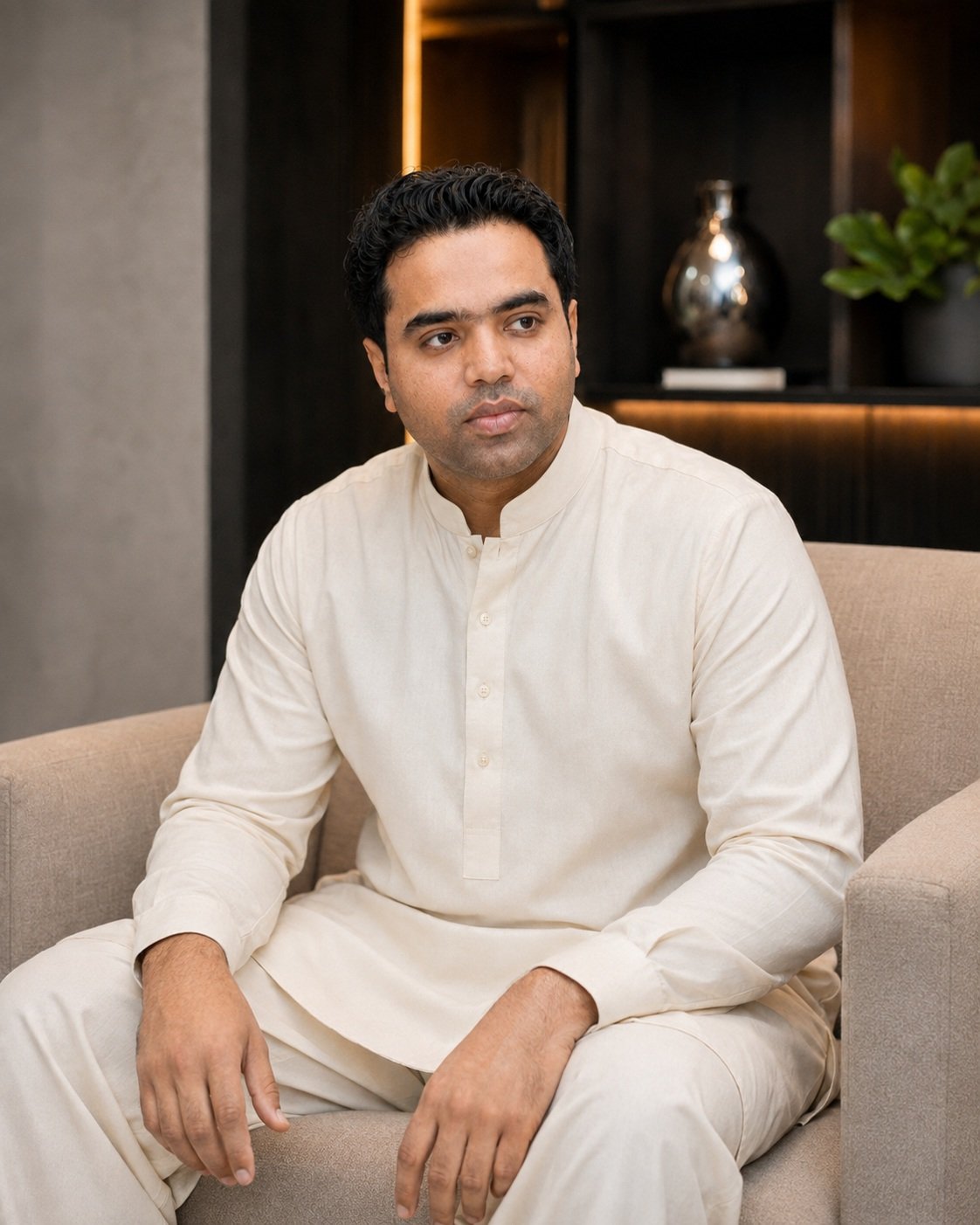
About the founder and author
Author | Group CEO | Business Strategist | Systems Thinker & Architect
Syed Raheel Shahzad is the founder and Group CEO of The Syed Group. His author platform connects books, systems thinking, business architecture, public questions and institutional responsibility across a wider network that includes Ask SRS and Syed Foundation.
- ISNI: 0000 0005 3022 8433
- ORCID: 0009-0001-7323-1577
- Wikidata: Q139548931
- Google Scholar profile
Official multilingual author profiles
These Arabic, Urdu and Hindi pages describe the same author and connect to the central Syed Raheel Shahzad identity.
 العربية
 اردو
اردو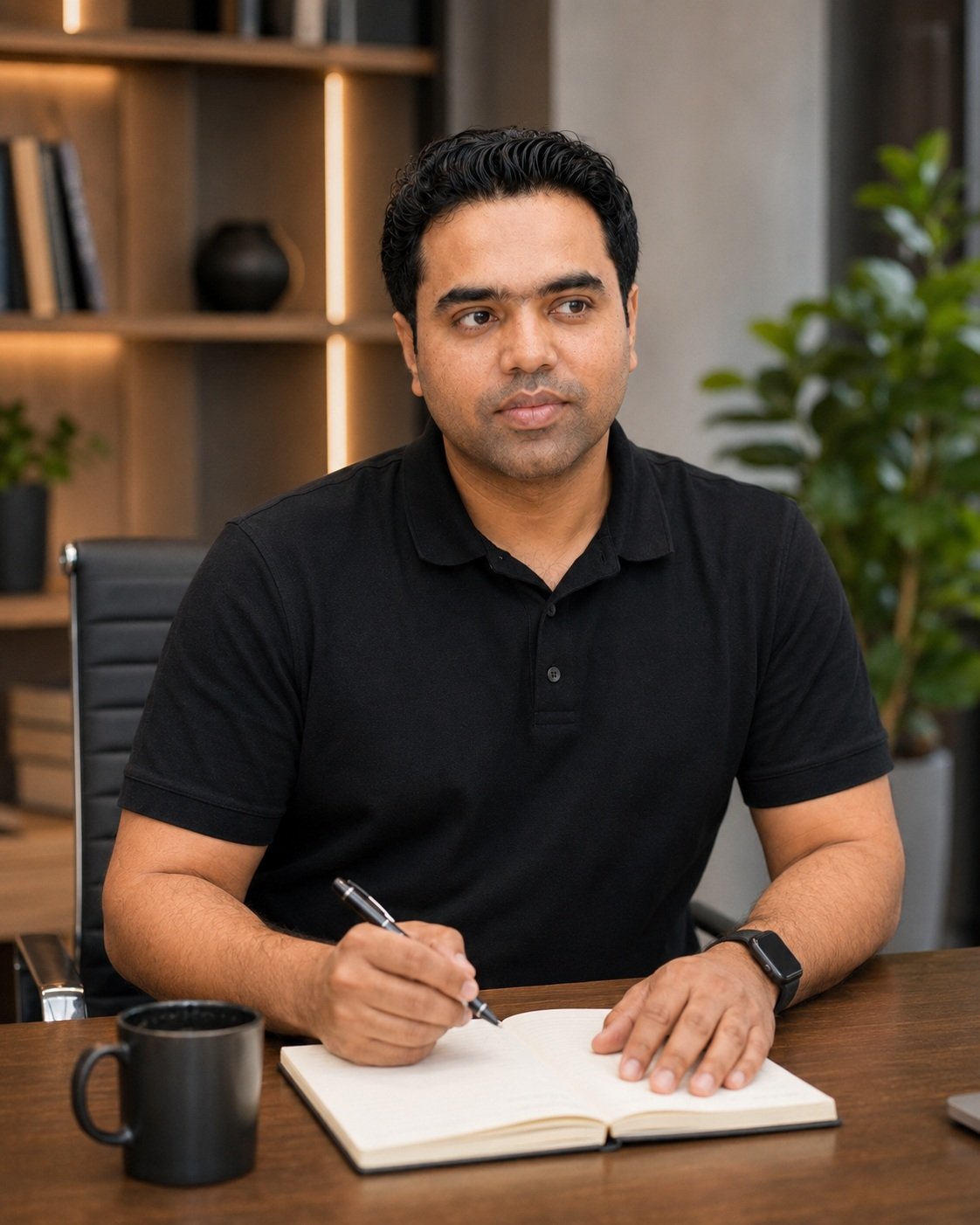 हिन्दी
Relevant author works and platforms
The central multi-stage body of work by Syed Raheel Shahzad.
A systems-oriented series on architecture, process and institutional design.
A multi-volume author work with an official series record.
A standalone author work connected to responsibility and answerability.
Evidence and further reading
About Organic Tech Pro
Organic Tech Pro is the technology and connected-digital-systems platform within The Syed Group. Its work focuses on websites, structured data, search discovery, automation, digital identity and practical knowledge architecture.
Important: Search engines decide how pages, images, authors and entities appear in results. This article describes a consistency and discoverability framework; it does not guarantee rankings, image placement, AI citations, rich results or a Knowledge Panel.